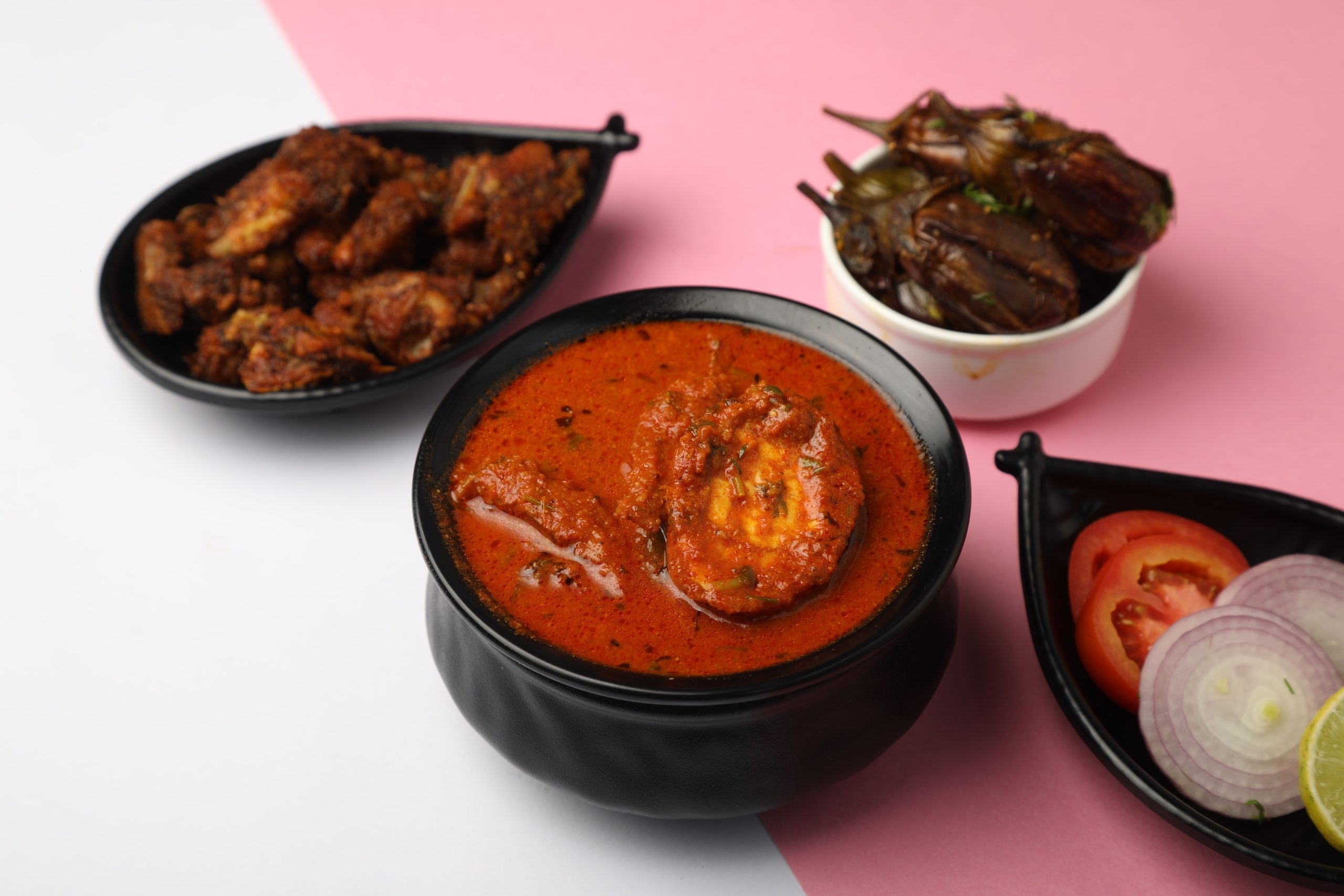
For many Indian households, mutton has always been associated with occasions.
It is the centrepiece of Sunday lunches, festive gatherings, family celebrations, and recipes that are passed down from one generation to the next. Unlike chicken, which has become an everyday protein, mutton is often reserved for meals that are meant to be remembered.
That expectation also brings pressure.
When you’re investing time in a slow-cooked mutton curry, a fragrant biryani, or a rich stew, you want the result to justify the effort. Yet many home cooks discover that even when they follow a trusted family recipe, the outcome isn’t always the same.
Sometimes the meat is tender enough to fall off the bone. Other times it remains chewy despite hours of cooking. Occasionally, the flavours never seem to penetrate the meat, leaving the dish feeling surprisingly ordinary.
It is easy to assume the recipe is at fault.
More often than not, the real difference lies in the quality of the mutton itself.
Mutton Is Less Forgiving Than Chicken
Chicken is relatively forgiving.
If you slightly overcook it, you may lose some moisture, but the dish is usually still enjoyable. Mutton is different.
Its flavour, texture, and cooking behaviour depend heavily on the quality of the meat, the cut you’ve chosen, and how it has been handled before it reaches your kitchen.
Because mutton is naturally firmer and contains more connective tissue, it demands patience. That patience is rewarded only when the meat has the right characteristics to begin with.
If the quality is inconsistent, no amount of slow cooking can completely compensate.
Every Great Mutton Dish Begins Long Before the Cooking Starts
When people discuss mutton recipes, they often focus on spice blends, cooking techniques, or whether to use a pressure cooker.
Those details certainly matter.
But they represent only the final stage of a much longer journey.
Long before the meat reaches your kitchen, it has already gone through several critical stages:
- Processing
- Cutting
- Temperature-controlled storage
- Transportation
- Packaging
- Distribution
Each stage has an impact on the final cooking experience.
Proper handling helps preserve the meat’s natural texture, while poor storage or inconsistent refrigeration can gradually affect both tenderness and flavour.
These aren’t details that most home cooks can see, but they often explain why two seemingly similar pieces of mutton cook so differently. As a result, where you order mutton from really matters. I have always bought mutton from a nearby vendor. However, Meatigo has been my go-to choice for Mutton over the last couple years because the quality is right up there (with some added convenience of home delivery)
Why Texture Is the First Thing You Should Notice
One of the easiest ways to judge good mutton isn’t by looking at it—it’s by observing how it behaves during cooking.
Well-handled, good-quality mutton develops flavour slowly and evenly.
As it cooks, the connective tissue begins to break down gradually, creating the rich, succulent texture that defines a great mutton curry or stew.
Poor-quality meat often behaves differently.
It may remain stubbornly chewy despite prolonged cooking, or it may lose moisture without ever becoming tender. Sometimes it absorbs spices unevenly, leaving the outer surface heavily flavoured while the interior remains relatively bland.
When this happens, the instinct is often to add more spices or increase the cooking time.
Neither approach addresses the underlying issue.
The Best Mutton Recipes Are Surprisingly Simple
One misconception about mutton is that it requires complicated recipes to taste exceptional.
In reality, some of India’s most memorable mutton dishes rely on surprisingly straightforward ingredients.
A slow-cooked curry built on onions, ginger, garlic, yoghurt, and a carefully balanced blend of whole spices can produce extraordinary depth of flavour—not because the recipe is elaborate, but because the meat has enough character to carry it.
The same principle applies across cuisines.
Whether you’re making Kashmiri Rogan Josh, Bengali Kosha Mangsho, Kerala-style mutton curry, or a slow-cooked Mediterranean lamb stew, the recipe succeeds when the meat itself contributes flavour rather than merely absorbing it.
Good ingredients reduce the need for unnecessary complexity.
Patience Is an Ingredient Too
Unlike quicker proteins, mutton asks you to slow down.
There are very few shortcuts to developing deep flavour and tender texture.
The meat benefits from gradual cooking because time allows collagen to break down naturally, creating richness that simply can’t be rushed.
This is one reason why traditional mutton recipes often become family favourites.
They’re less about precision and more about patience.
The process itself becomes part of the experience.
Why Urban Home Cooks Are Paying More Attention to Sourcing
As more people cook at home, there’s growing awareness that buying good meat is just as important as following a good recipe.
Instead of simply asking where to buy mutton, home cooks are beginning to ask more thoughtful questions.
- Are the cuts consistent?
- Has the meat been handled hygienically?
- Has the cold chain been maintained?
- Can I expect the same quality every time?
These questions explain why many people now choose to order meat online rather than relying solely on traditional purchasing methods.
Consistency has become an important part of the cooking experience.
Finding Reliable Mutton Isn’t Just About Convenience
When people search for reliable places to buy mutton online in India, they are often looking for more than doorstep delivery.
They want confidence.
Confidence that the meat has been handled properly.
Confidence that the cuts will match the recipe they’re planning to cook.
Confidence that the dish they’ve invested hours preparing will have every opportunity to succeed.
Platforms like Meatigo have become increasingly popular among serious home cooks because they focus on these fundamentals. Standardised cuts, hygienic processing, and careful packaging create a level of consistency that’s difficult to achieve when every purchase comes from a different source.
That consistency allows recipes to perform the way they’re intended.
Good Mutton Encourages Better Cooking
One unexpected benefit of consistently good mutton is that it changes your approach to cooking altogether.
Instead of trying to force tenderness through longer cooking times or heavier seasoning, you begin trusting the ingredient.
You become more comfortable using fewer spices.
You allow the meat to develop its own flavour.
You begin appreciating why traditional recipes often rely on balance rather than intensity.
In many ways, quality ingredients encourage restraint.
And restraint often leads to better food.
Conclusion
Mutton has always occupied a special place in Indian cooking because it rewards patience, care, and attention to detail.
But even the best recipe can only do so much if the ingredient itself is inconsistent.
Choosing high-quality mutton isn’t about making your meals more luxurious. It’s about giving your cooking the foundation it deserves.
When the meat is handled well, cut properly, and cooked with patience, every familiar recipe—from a comforting family curry to a celebratory biryani—has the opportunity to become exactly what it was meant to be.
Sometimes the biggest improvement in your cooking doesn’t come from changing the recipe at all.
It comes from starting with better mutton.